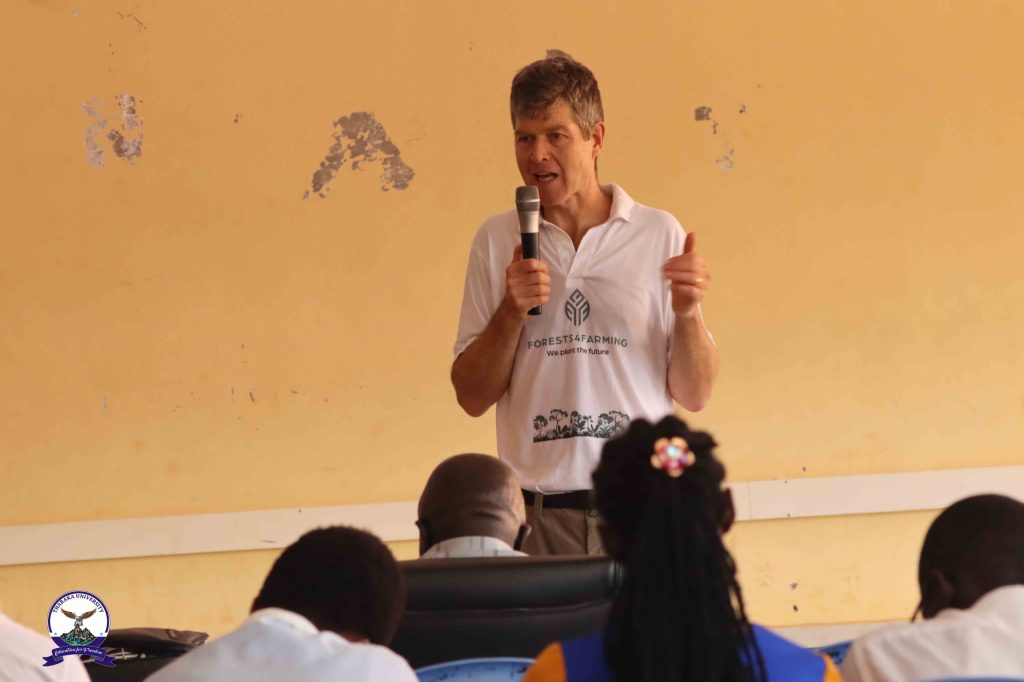
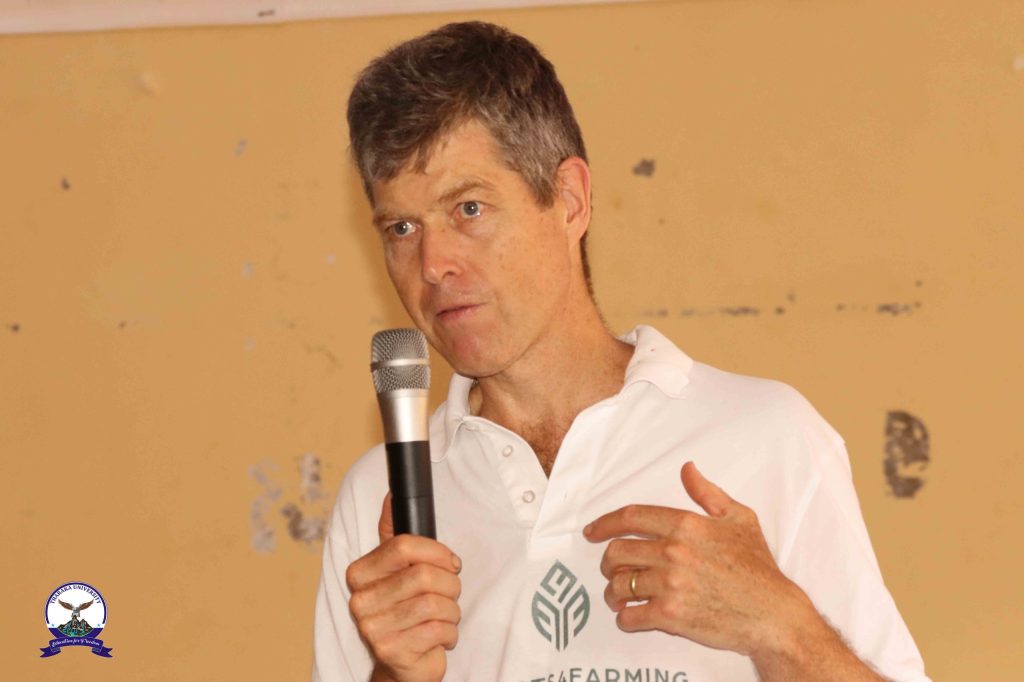
Tharaka University (TUN) today held a public lecture and hands-on training on syntropic farming, led by Hannes Thaller, Founder of Forest for Farming, who is visiting the University from Germany through Bloom Bells Organization, a partner organization with TUN.
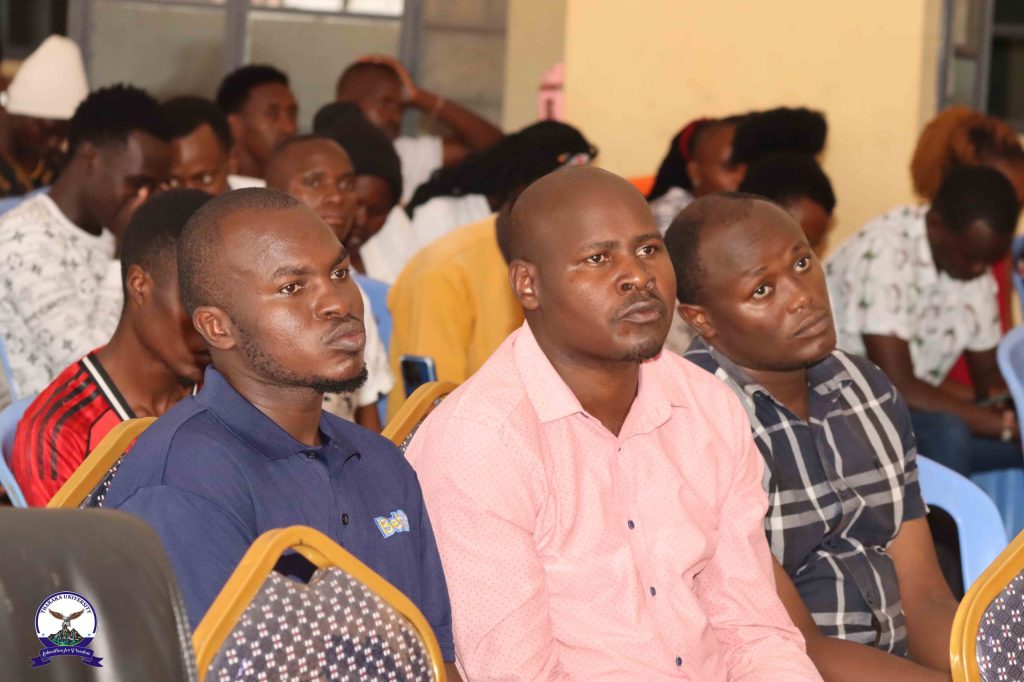
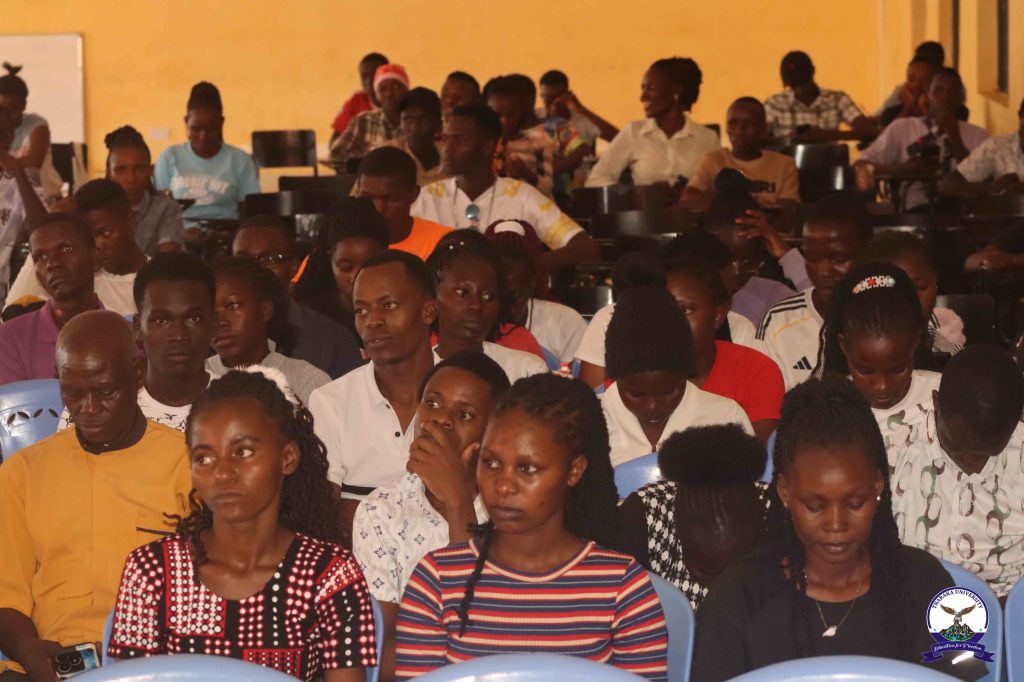
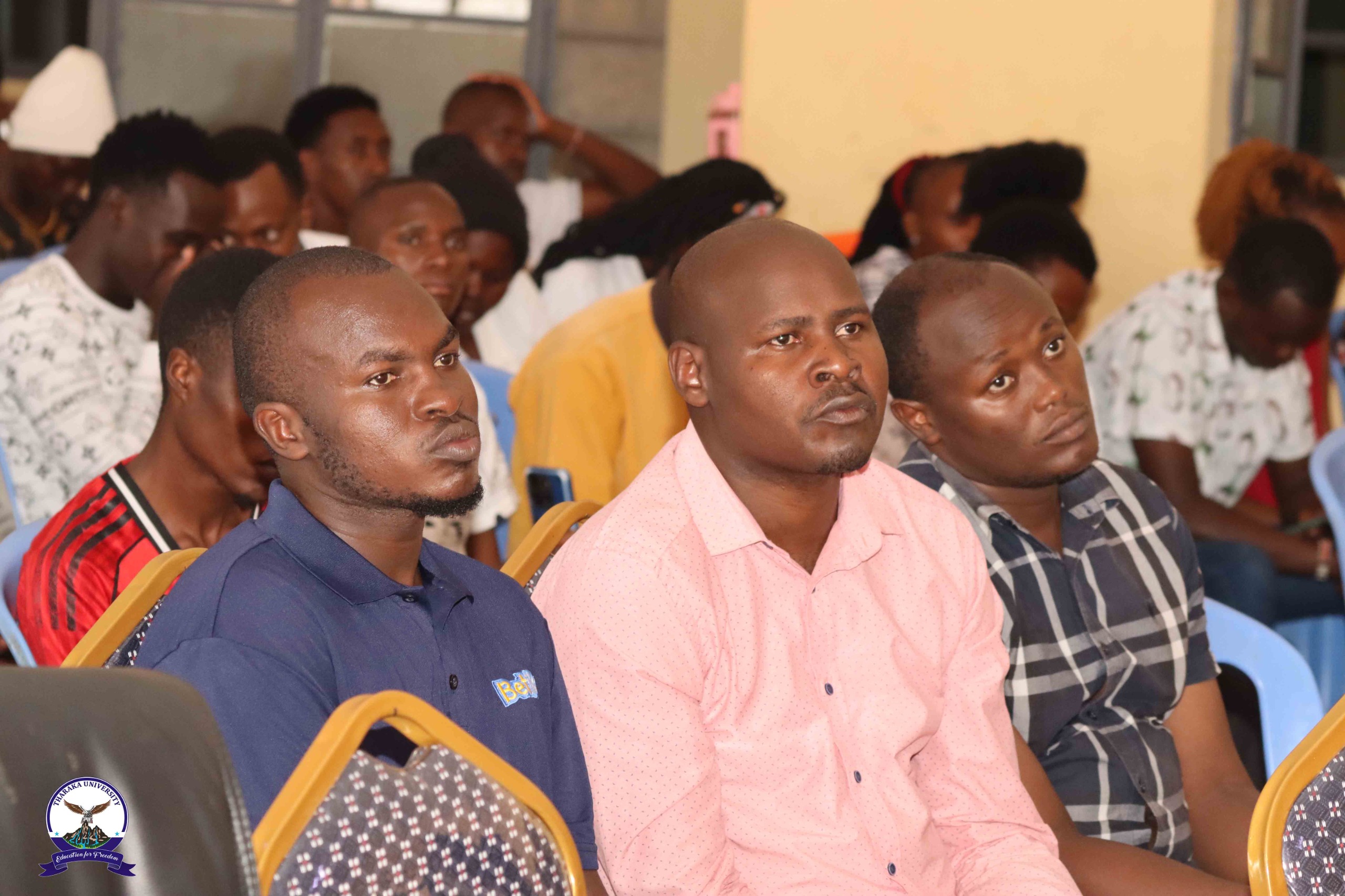
The session brought together students, faculty, and stakeholders in agriculture for an interactive learning experience focused on sustainable and climate-smart farming practices.
Speaking on behalf of the Vice Chancellor/CEO, Prof. Peter K. Muriungi, the Director of the Center for Smart Agriculture, led by Prof. Levi Musalia, Ph.D., highlighted the University’s commitment to integrating technology and sustainability in agriculture. He underscored the importance of smart agriculture in addressing food insecurity, climate change, and youth unemployment, particularly in regions heavily dependent on farming.
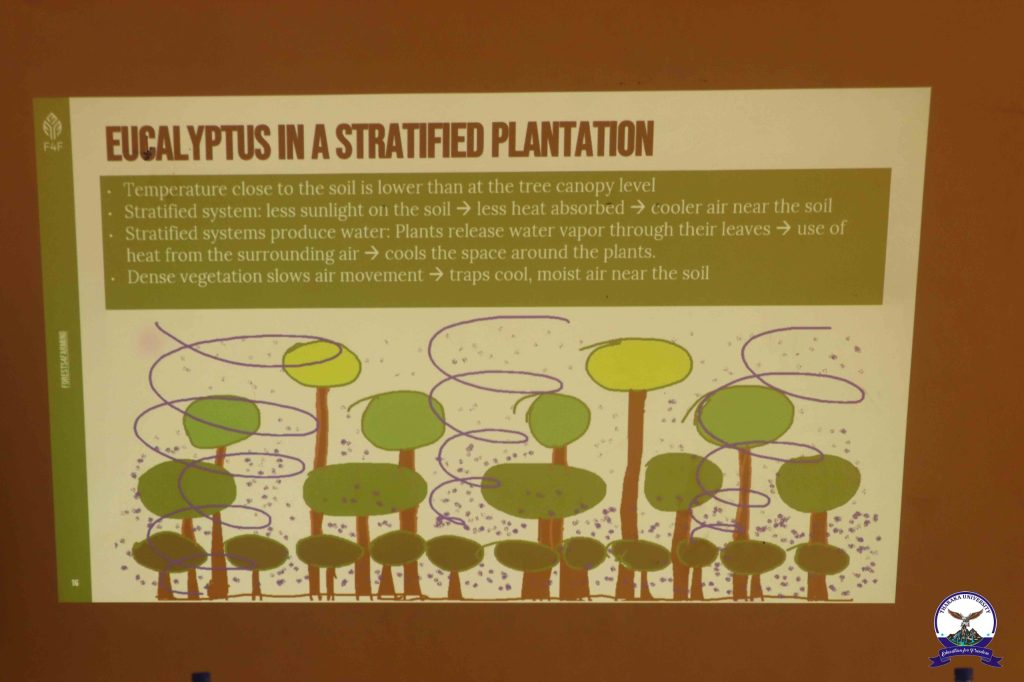
The training focused on syntropic farming, an innovative approach that promotes biodiversity, soil regeneration, and sustainable land use. Participants benefited from both theoretical insights and practical demonstrations, equipping them with skills applicable in real-world farming.
Students, especially from the Faculty of Life Sciences and Natural Resources (FLIN), expressed strong interest in the approach, noting its relevance in tackling modern agricultural challenges and enhancing sustainable food production.
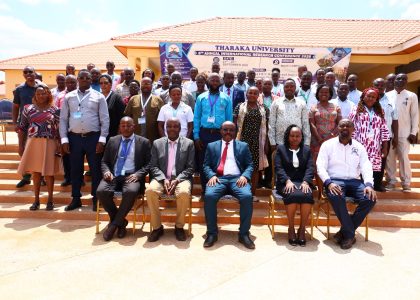
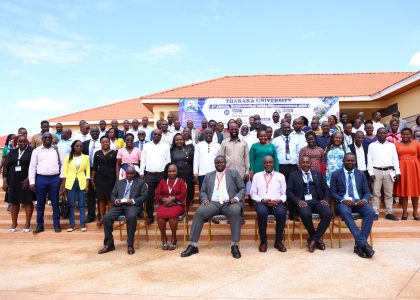
The event was attended by key University leaders, including Dr. Marciano Mutiga, Dean, FLIN, and Dr. Miriam Wepukhulu, Chair, Department of Dryland Agriculture & Natural Resources, alongside faculty members and representatives from Bloom Bells Organization.
This initiative reflects TUN’s continued commitment to research, innovation, and community engagement, while strengthening partnerships that advance sustainable agriculture.