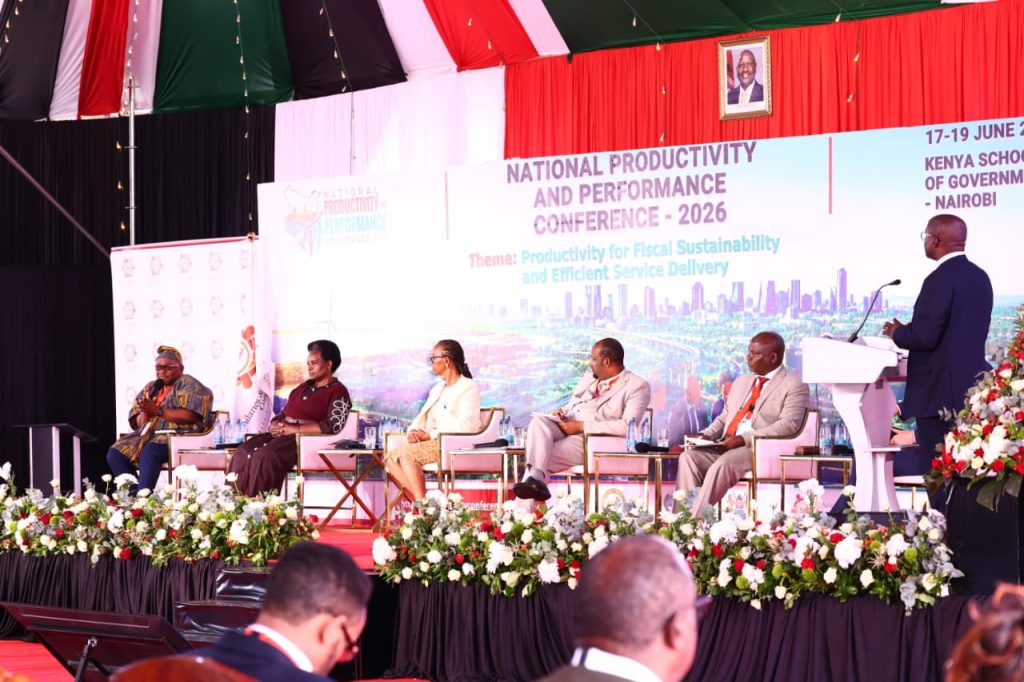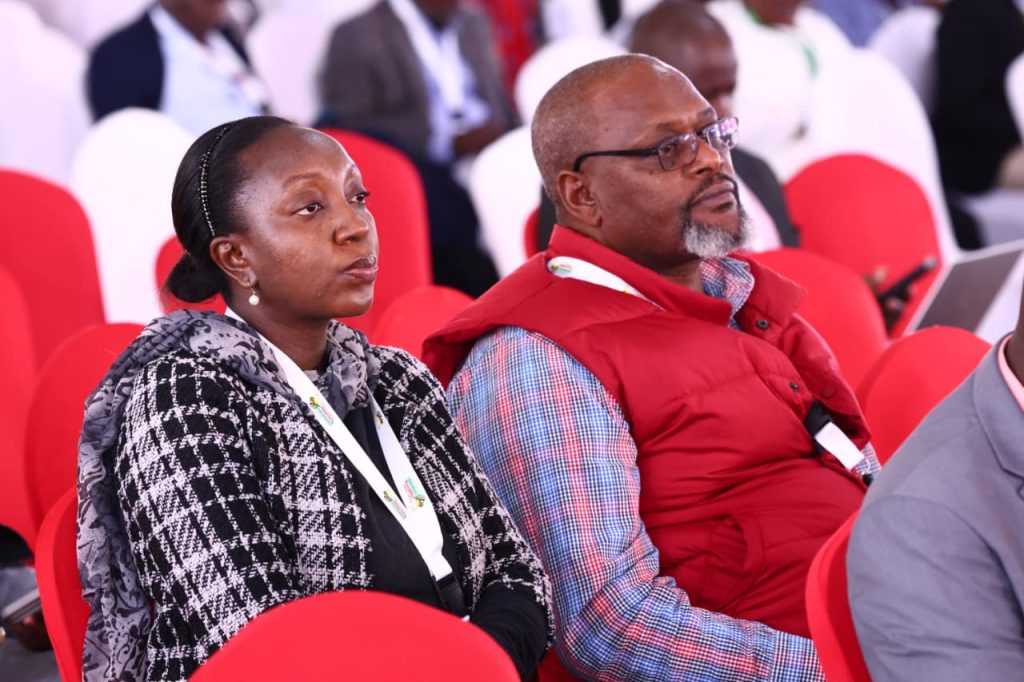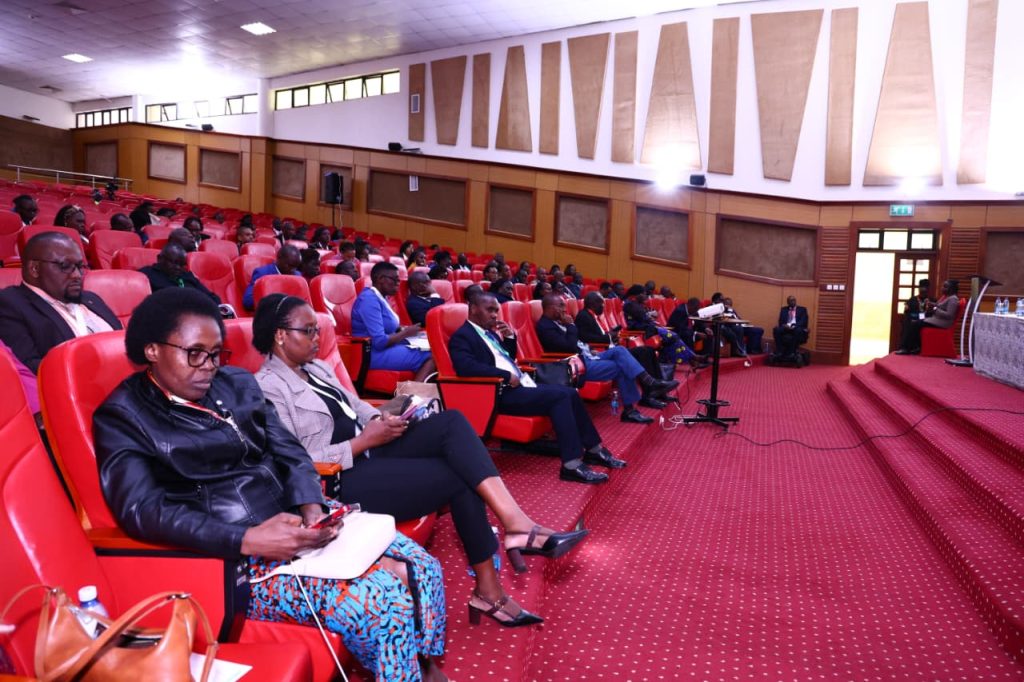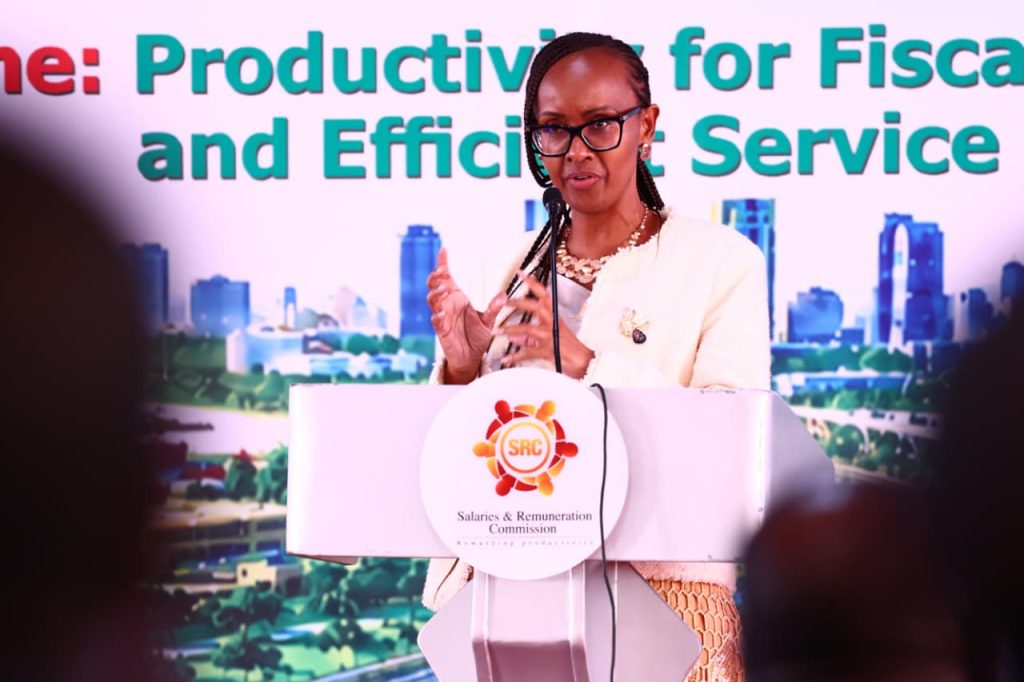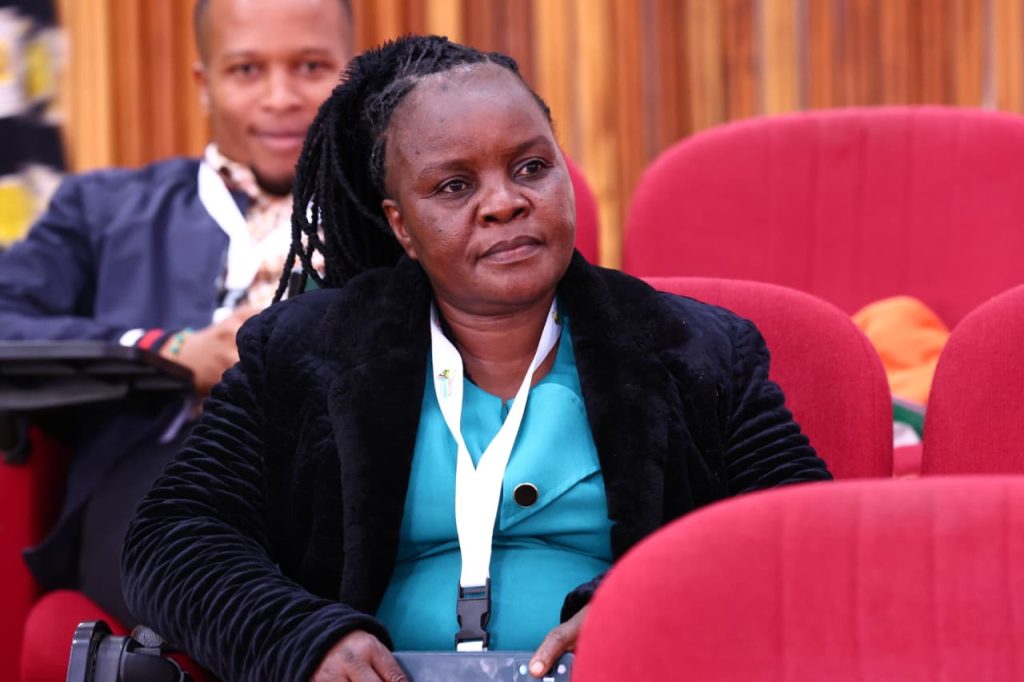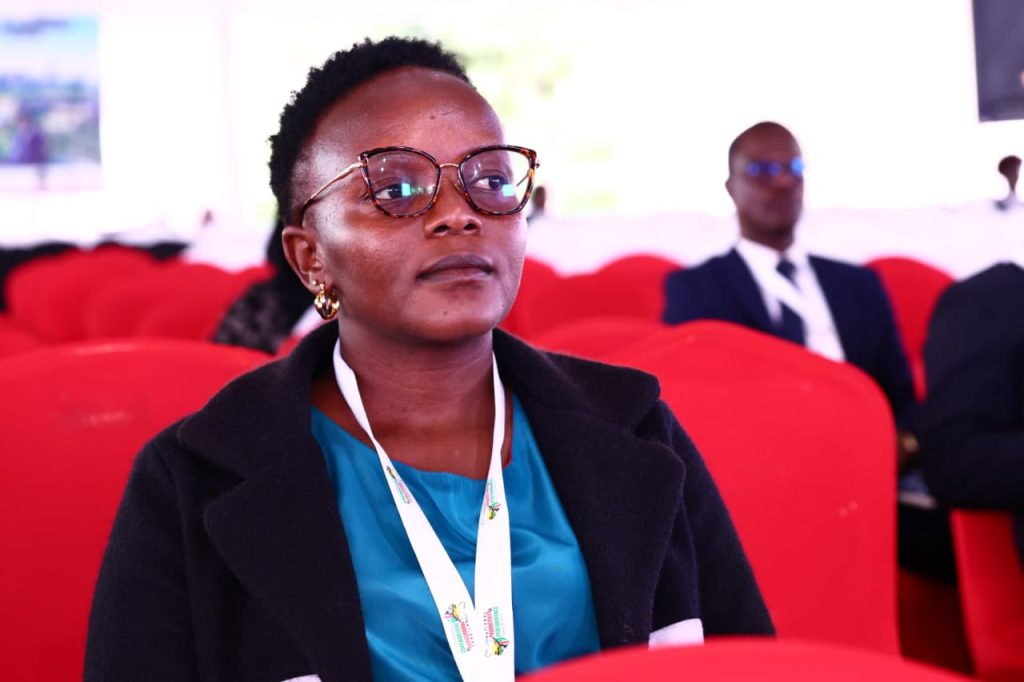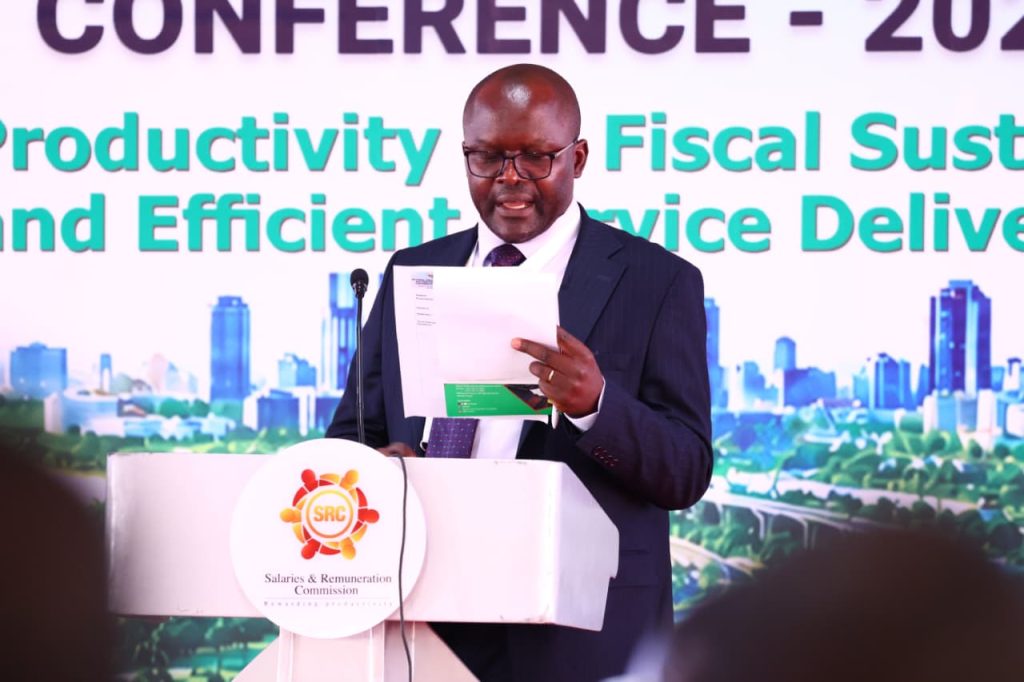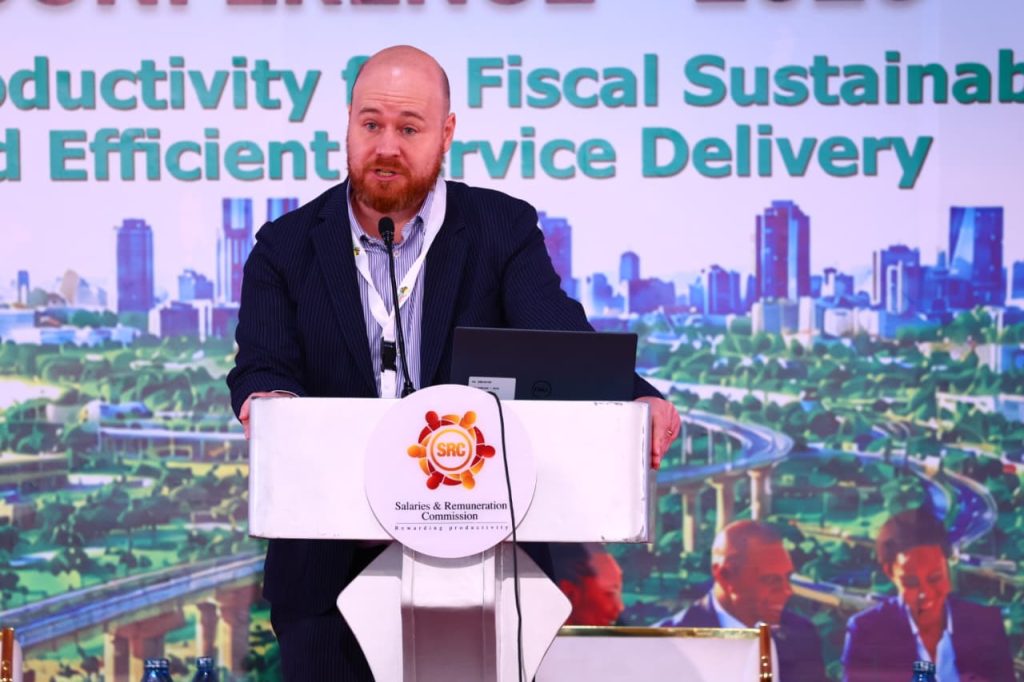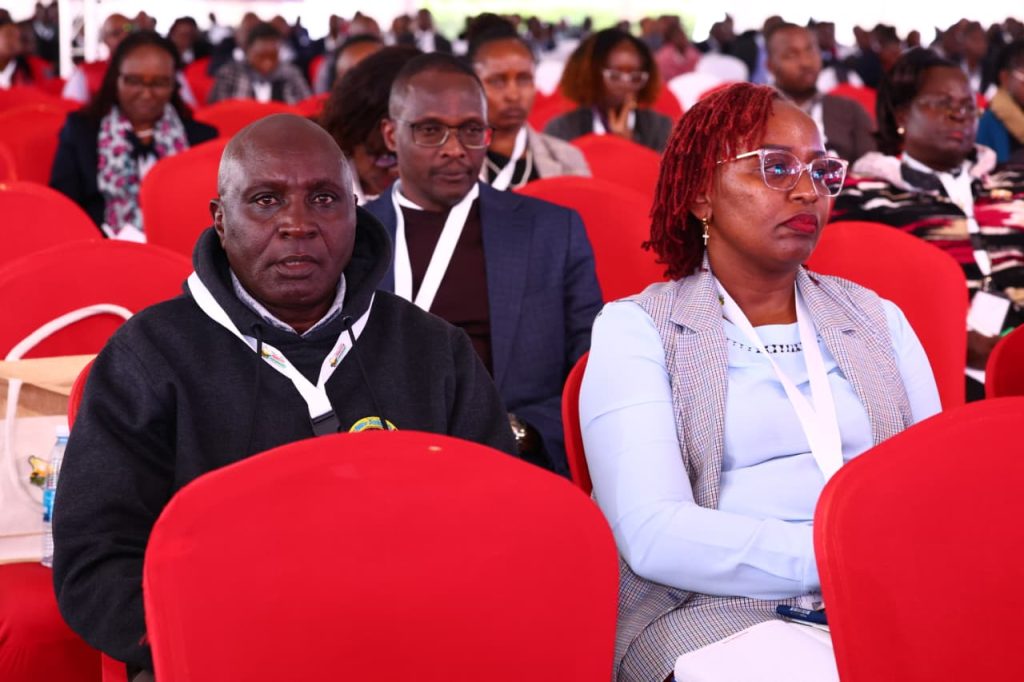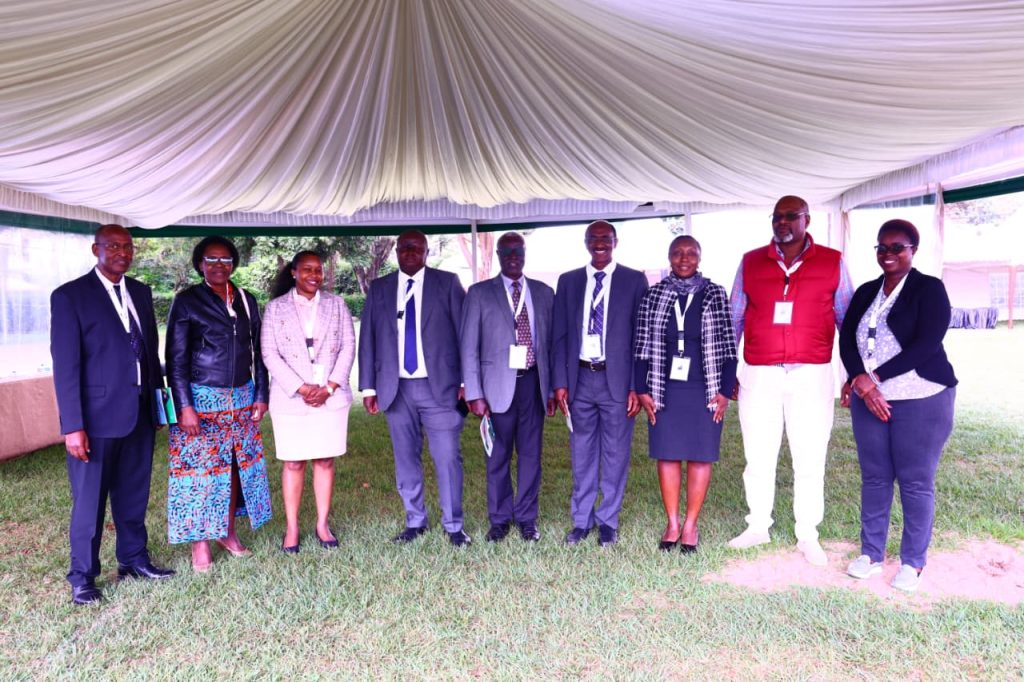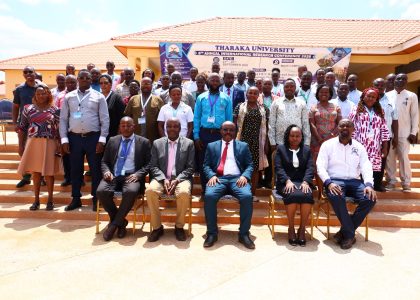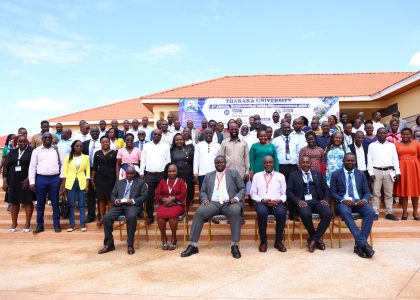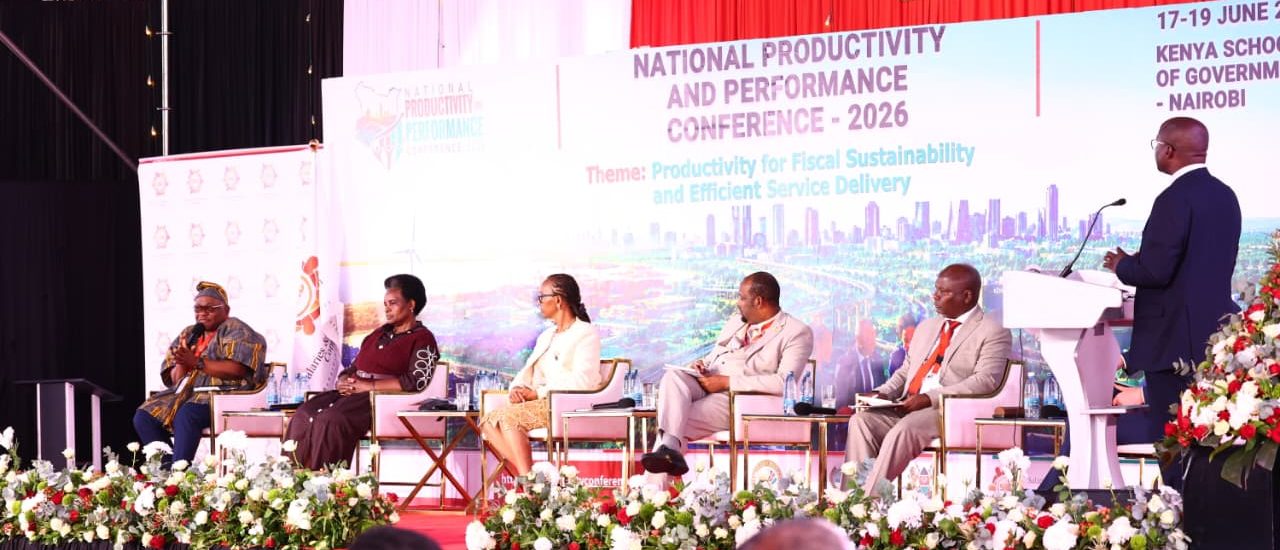
Tharaka University (TUN) Vice Chancellor/CEO, Peter K. Muriungi, joined the University Council Chair Prof. Peter N. Keiyoro, PhD, Council Members and staff on Day Two of the National Productivity and Performance Conference 2026 at the Kenya School of Government, Nairobi. The three-day conference, convened by the Salaries and Remuneration Commission (SRC), is being held under the theme “Productivity for Fiscal Sustainability and Efficient Service Delivery.”
Day Two focused on deepening the national discourse on productivity, performance measurement, and efficient resource utilization as key drivers of institutional success and sustainable development. Participants engaged in high-level discussions on how organizations can strengthen performance management systems, recognize and reward excellence, and leverage innovation to improve service delivery.
The morning plenary session examined Productivity and Performance Measurement, Management Recognition and Rewarding Practices, drawing lessons from international best practices. Experts from the Organisation for Economic Co-operation and Development (OECD), the Japan International Cooperation Agency (JICA), and the United Kingdom shared global perspectives on productivity improvement, benchmarking, and performance evaluation. Speakers emphasized the importance of creating institutional cultures that reward high performance, promote accountability, and encourage continuous improvement.
A second plenary session explored Wage Determination and Management for a High-Performing Public Service, highlighting the relationship between productivity and compensation. Discussions centered on the need to align remuneration systems with performance outcomes, thereby fostering motivation, efficiency, and value for public resources.
In the afternoon, the conference transitioned into thematic breakaway sessions that addressed critical aspects of productivity and performance. Tharaka University had representatives participating across the various sessions, providing an opportunity to engage with policymakers, researchers, and industry leaders while benchmarking best practices relevant to higher education institutions.
The breakaway sessions focused on enhancing public sector productivity through sustainable revenue generation, strengthening economic planning and economic intelligence as drivers of performance, leveraging emerging technologies and digital transformation to improve service delivery, and exploring lessons from county governments on digitization and productivity enhancement. Participants exchanged experiences and practical strategies aimed at improving efficiency, accountability, innovation, and resource management across institutions.
A recurring theme throughout the day’s discussions was the need for prudent utilization of available resources. Speakers underscored that sustainable productivity is not necessarily about increasing resources, but rather about maximizing the value derived from existing resources through strategic planning, innovation, accountability, and effective performance management. Institutions were encouraged to embrace data-driven decision-making, continuous performance evaluation, and a results-oriented culture to achieve better outcomes.
For Tharaka University, participation in the conference continues to provide valuable insights into modern productivity and performance management approaches that can support the University’s strategic objectives. By engaging in these national conversations, TUN reaffirms its commitment to excellence, accountability, innovation, and efficient service delivery in advancing its core mandate of teaching, research, innovation, and community engagement.