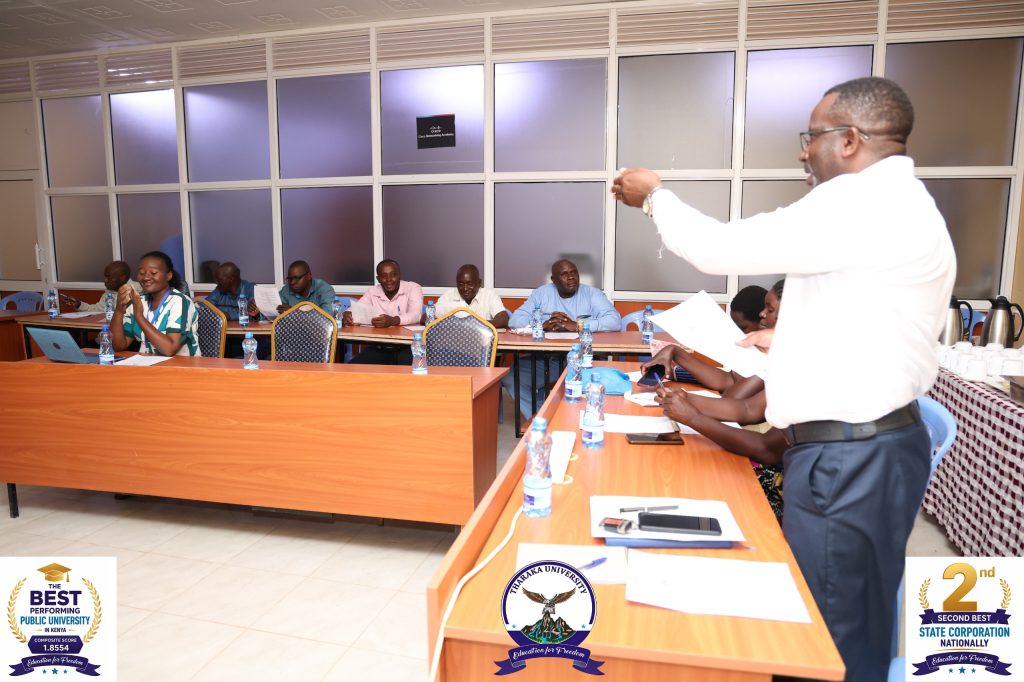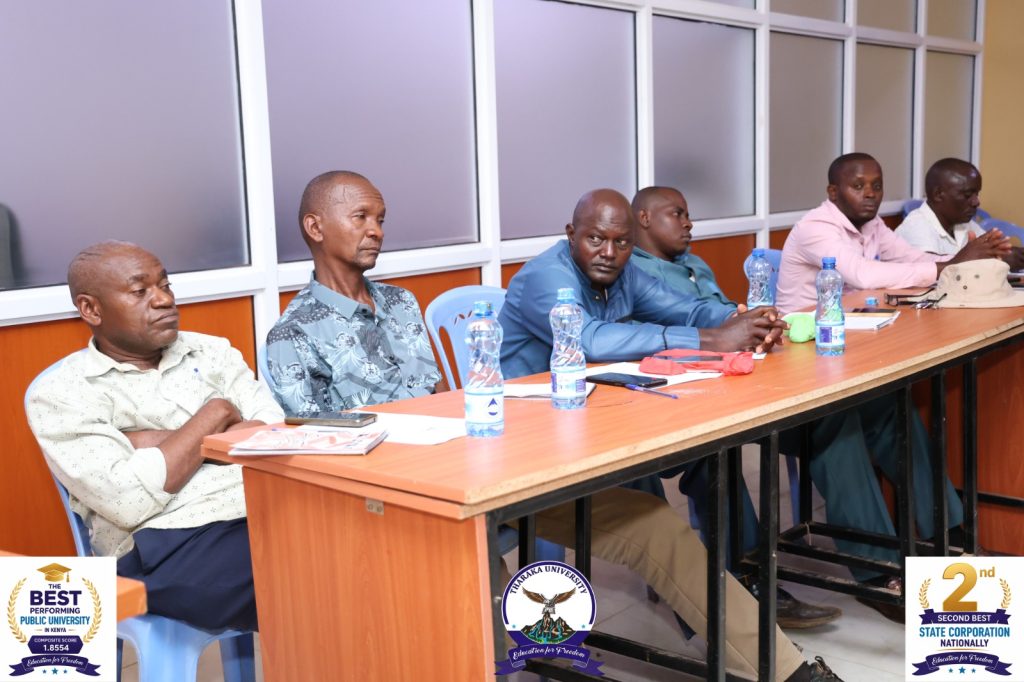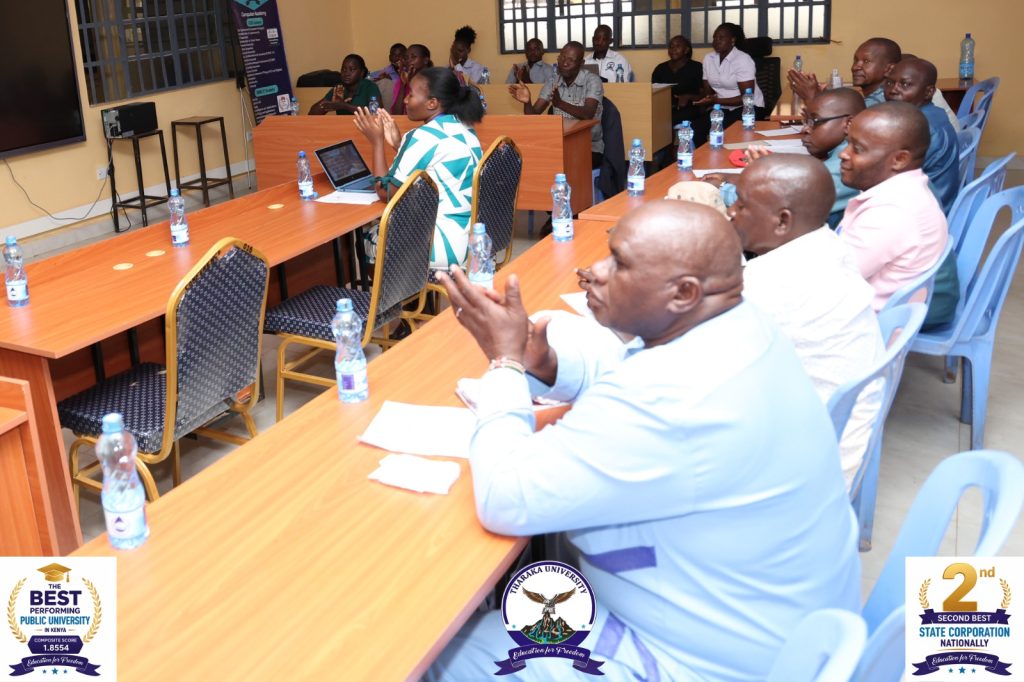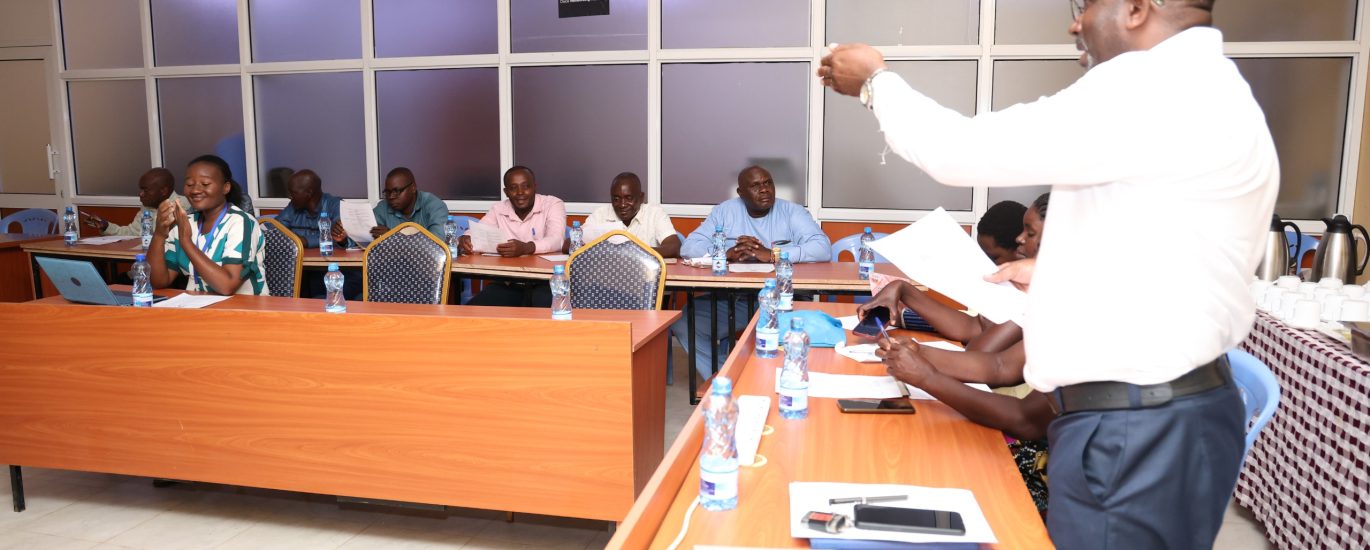
Tharaka University (TUN) today officially commenced a four-day Financial Literacy and Best Agricultural Practices Training workshop for members of Nkondi United SACCO, running from 21st to 24th July 2026 at the university. This initiative seeks to strengthen the financial capacity and agricultural productivity of SACCO members by equipping them with practical knowledge, skills, and innovative approaches that promote informed financial decision-making, sustainable farming practices, and improved livelihoods.
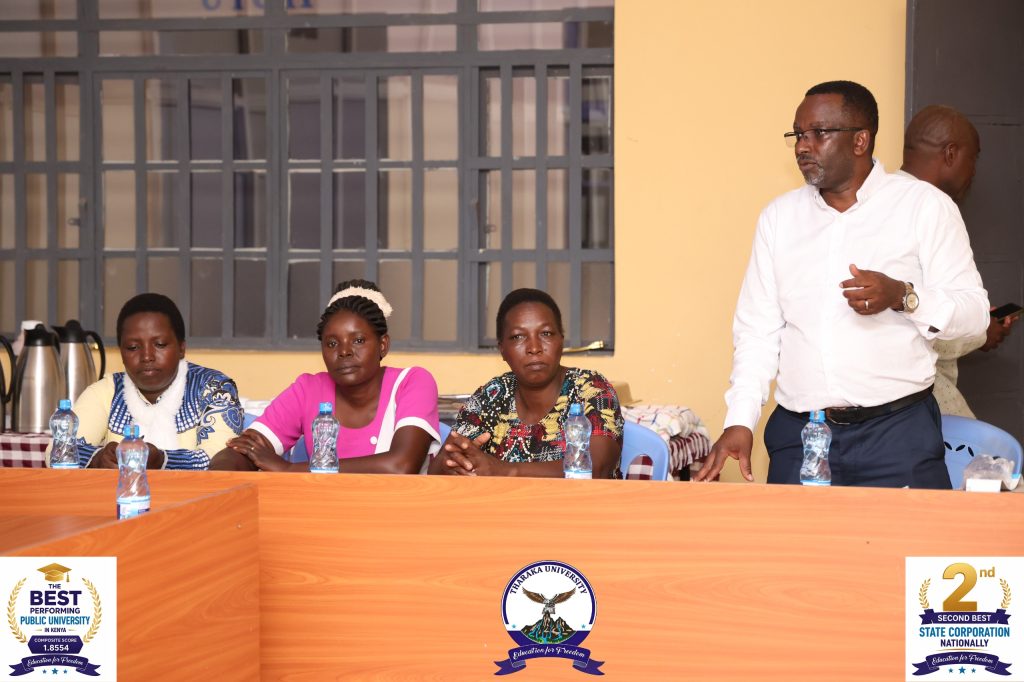
The workshop was officially opened by the Dean, Faculty of Business Studies (FBUST), Dr. James Nyamu, who welcomed participants and emphasized the University’s dedication to empowering communities through practical knowledge and capacity building. He noted that the training exemplifies Tharaka University’s commitment to extending research-driven solutions beyond the classroom to improve livelihoods and foster sustainable socio-economic development.
Day One featured engaging and practical sessions delivered by experienced facilitators. Ms. Fridah Makena introduced participants to the fundamentals of Financial Literacy; Mr. Jamlick Njue guided members through Personal Financial Management, Savings and Investment, while Mr. John Mambo concluded the day with an insightful practical session on SACCO Financial Services and Credit Management.
The four-day programme is designed to equip participants with practical competencies in digital financial management, savings and investment, financial accountability, internal controls and Fraud prevention, Agribusiness Mindset, credit management, as well as modern agricultural practices. These skills will enable members to make informed financial decisions, enhance agricultural productivity, and build resilient and sustainable livelihoods.
Through such initiatives , TUN continues to bridge the gap between academia and society by taking knowledge beyond the classroom and directly into communities, creating lasting impact through research, innovation, and extension services.